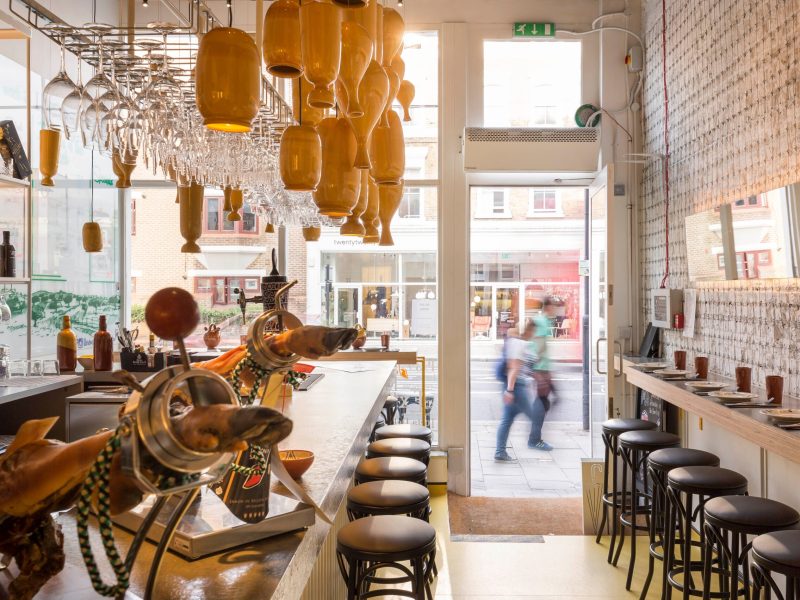
How Spanish cuisine stands apart from other Mediterranean foods becomes clear the moment you sit down at Llerena Ibérico Tapas Bar on Upper Street, Islington. While Italy, Greece, and southern France all share sunshine, olive oil, and fresh ingredients, Spanish food has its own identity. From bold ibérico ham to slow-cooked meat dishes and vibrant tapas culture, Spanish cuisine is built around sharing, depth of flavour, and social dining — something you can experience just minutes from Highbury & Islington station and close to Angel.
One of the biggest differences between Spanish cuisine and other Mediterranean foods is the structure of the meal. In many Mediterranean restaurants, diners order individual starters and mains. In Spain, it’s different. Tapas are designed for the table, not the individual.
At Llerena on Upper Street, the focus is simple: order several plates, share everything, and let the evening unfold naturally. That relaxed, communal style is what sets Spanish restaurants in Islington apart from other dining experiences.
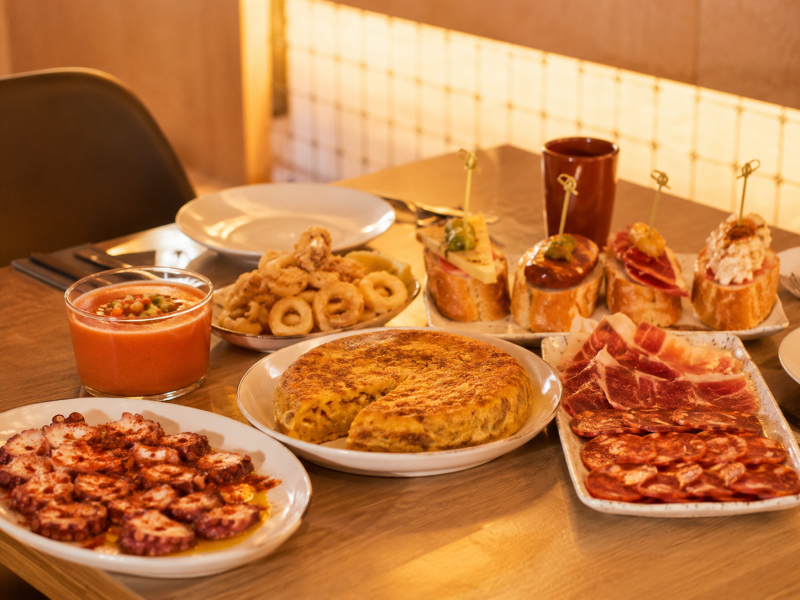
Spanish cooking often leans into bold, layered flavours. Smoked paprika, garlic, olive oil, cured meats, and slow reductions create intensity that feels distinct from lighter Mediterranean styles.
Dishes such as ibérico ham, chorizo cooked in cider, and albóndigas in rich tomato sauce showcase that depth. If you’re exploring Upper Street restaurants in Islington, you’ll notice that Spanish food tends to feel heartier, more robust, and deeply savoury compared to other Mediterranean options.
Some defining flavour elements of Spanish cuisine include:
At Llerena, these elements are central to the menu. You can browse our Spanish tapas selection before your visit and see how those traditional flavours come together on Upper Street..
Another reason Spanish cuisine stands apart is its strong regional identity. From seafood-rich Galicia to rice dishes in Valencia and jamón traditions in Extremadura, each region has its own personality. Unlike the more uniform perception of Mediterranean dining, Spain celebrates contrast. This variety is reflected in tapas culture, where multiple regions can appear on one table — something guests arriving from Angel or Highbury & Islington station quickly notice when sharing plates at Llerena.
Spanish tapas culture shifts the focus from formal courses to flexible ordering. There’s no pressure to choose one main dish. Instead, you build your meal gradually.
This approach feels especially suited to social evenings on Upper Street. For anyone searching for restaurants near Highbury and Islington station, that flexibility makes meeting friends easy — no rigid structure, just good food and conversation.
Spanish cuisine encourages movement, interaction, and conversation. In Spain, people often move between bars, enjoying small bites along the way.
At Llerena, we recreate that atmosphere in one warm, lively space. The lighting is intimate but the energy is alive. It works for afterwork drinks, date nights, and group bookings without feeling formal or complicated.
To experience Spanish cuisine properly, try this approach:
This structure captures the essence of Spanish dining. You can even book a table in Islington online before heading to Upper Street, especially on busy evenings near Angel.
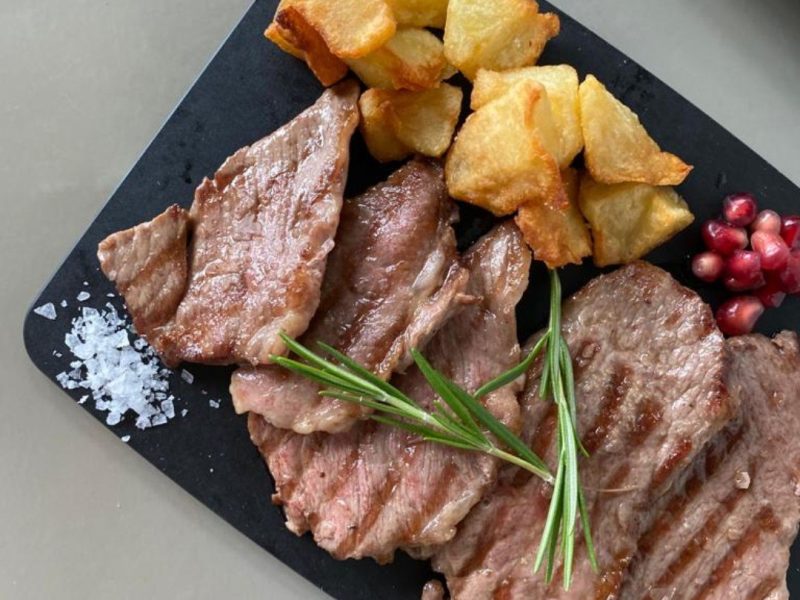
Spanish restaurants are rarely quiet or overly formal. They’re lively, welcoming, and built around connection. At Llerena, the service is relaxed — no strange rules, no overcomplication. Whether you’re planning walk-ins, checking opening hours, or organising private dining, the goal remains the same: proper Spanish food, well executed, enjoyed together.
If you’re deciding between Mediterranean options and wondering where to eat in Islington, Spanish cuisine offers something distinct. It’s bold yet balanced, social yet intimate. You can also see upcoming live music nights to turn dinner into a full Spanish evening experience on Upper Street Street
Guests often mention the difference in atmosphere and flavour when comparing Spanish food to other Mediterranean restaurants in Islington. The depth of seasoning, the quality of ibérico, and the sharing format all stand out.
If you’re looking for places to eat near Highbury and Islington or exploring Islington restaurants that offer something distinctive, Spanish cuisine delivers variety, depth, and atmosphere in one setting. You can contact the restaurant to make reservations and experience authentic Spanish dining on Upper Street for yourself.
Jamon & Salud… Gateway to the country!
A company of Iberico ham and meats, 100% from Extremadura.